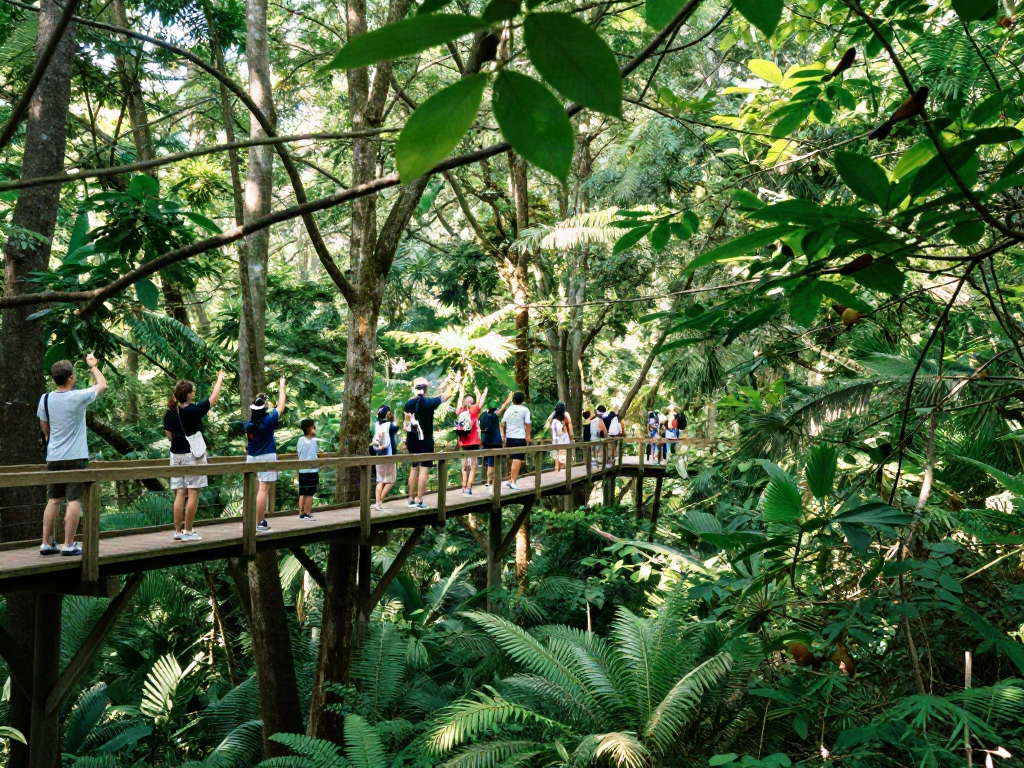
Understanding the Treetop Walkway Experience
The concept of a Treetop Walkway has become increasingly popular over the years, offering a unique opportunity to experience nature from a new perspective. Elevated amongst the tree canopy, these walkways allow visitors to connect with the environment, promoting a sense of adventure and serenity. With their stunning views and immersive experiences, treetop walkways are not only an attraction; they serve as an educational tool that fosters appreciation for eco-systems. When exploring options, Treetop Walkway provides comprehensive insights into this captivating experience, highlighting various locations and their distinctive features.
What Is a Treetop Walkway?
A treetop walkway, also known as a canopy walk or treetop walk, is an elevated pathway that provides access to the upper levels of a forest. These walkways can vary in length, height, and design, but they all offer a similar experience: the chance to walk among the treetops, surrounded by the sights and sounds of nature. Many treetop walkways are constructed from sturdy materials such as steel or wood and are designed to blend harmoniously with the environment.
The Benefits of Treetop Walkways for Wellness
Treetop walkways provide a multitude of wellness benefits that extend beyond mere physical activity. Walking among the trees can significantly reduce stress levels, improve mood, and enhance overall mental well-being. The natural settings encourage mindfulness and promote deeper connections with nature, which has been linked to lower anxiety and depression rates. Research indicates that spending time in green spaces can lead to improved cognitive function and even boost creativity.
How Treetop Walkways Enhance Eco-Tourism
Treetop walkways play a crucial role in promoting eco-tourism by drawing visitors into natural areas while fostering conservation awareness. They allow individuals to experience the beauty of various ecosystems without causing significant disruption to wildlife habitats. Additionally, the revenues generated from treetop walkways can contribute to local conservation efforts, ensuring that these vulnerable environments are protected for future generations. By engaging with nature in a respectful manner, visitors often leave with a heightened appreciation for the importance of environmental stewardship.
Top Treetop Walkways Around the World
Leading Treetop Walkways to Visit in 2026
As eco-tourism continues to rise, several treetop walkways have emerged as must-visit destinations. One of the leading examples is the Treetop Walkway at Kew Gardens in London, which offers a stunning 18-metre-high view of the surrounding flora. Another significant location is the Wild Walk at The Wild Center in the Adirondacks, where visitors can traverse through various bridges that lead to spectacular panoramic views. These treetop walkways not only serve as attractions but also as gateways to understanding local ecosystems.
Features That Make a Great Treetop Walkway
Several key features define an outstanding treetop walkway. First and foremost, safety is paramount; sturdy construction and reliable guardrails are essential for visitor peace of mind. Secondly, educational elements, such as interpretative signage, enhance the visitor experience by providing insight into the unique flora and fauna present in the area. Finally, accessibility is vital; a great treetop walkway should accommodate individuals of all ages and abilities, allowing everyone to enjoy the beauty of nature.
Accessibility Considerations for Treetop Walkways
When designing treetop walkways, accessibility must be a priority to ensure that everyone can participate in the experience. Ramps and wide pathways allow for easy navigation and ensure inclusivity for individuals with mobility challenges. Additionally, informational resources should be available to assist visitors in understanding the layout and any potential challenges they might face along the walkway.
Planning Your Visit to a Treetop Walkway
Best Times to Visit Treetop Walkways
The best times to visit treetop walkways depend on the specific location and climate. However, most enthusiasts recommend visiting during the spring and autumn months when the weather is mild and the foliage is particularly stunning. Sunrise and sunset can also provide breathtaking views and unique lighting conditions, making these times ideal for photography and contemplation.
What to Bring for a Treetop Walk Adventure
When preparing for a treetop walkway adventure, it's essential to pack wisely. Comfortable footwear is a must, as you may find yourself walking on uneven surfaces. Additionally, bringing water is crucial to stay hydrated, particularly on warm days. A camera or binoculars can enhance your experience, allowing you to capture the beauty around you or observe wildlife from an elevated perspective.
Guided Tours vs. Solo Exploration of Treetop Walks
Choosing between a guided tour or solo exploration of a treetop walkway depends on individual preferences and goals. Guided tours often provide valuable insights into the ecology and history of the area, led by knowledgeable staff who can answer questions and enhance the overall experience. On the other hand, solo exploration allows for a more personal experience, enabling visitors to wander at their own pace and connect with nature in an intimate way.
Safety and Conservation Concerns
Best Practices for Safe Treetop Walking
Safety is of utmost importance when walking on treetop walkways. Visitors should always adhere to posted guidelines, such as weight limits and group size restrictions. Staying on marked paths and avoiding unsanctioned areas can help protect both visitors and the surrounding environment. Additionally, it’s wise to check weather conditions before embarking on your adventure, as slippery surfaces during rain or wind can pose risks.
Conservation Efforts Associated with Treetop Walkways
Treetop walkways are often designed with conservation in mind. Many facilities partner with local conservation groups to promote awareness and support for environmental initiatives. Projects such as habitat restoration and wildlife monitoring are commonly associated with these walkways, ensuring that tourism contributes positively to ecological health.
Common Misconceptions About Treetop Walkways
Despite their popularity, there are several misconceptions about treetop walkways. One common belief is that they are only suitable for thrill-seekers or experienced hikers; however, most walkways are designed to cater to a wide audience, including families with young children. Another misconception is that treetop walkways cause significant harm to the surrounding environment, whereas well-designed installations typically have a minimal ecological footprint.
The Future of Treetop Walkways in Eco-Tourism
Emerging Trends in Treetop Walkway Design
The future of treetop walkways is looking promising, with innovative designs and concepts emerging. Many contemporary walkways incorporate eco-friendly materials and sustainable practices during construction. As technology advances, interactive elements, such as augmented reality installations, may be included to enhance user engagement and education.
The Role of Treetop Walkways in Biodiversity Conservation
Treetop walkways can serve as significant tools for biodiversity conservation. By providing a safe vantage point to observe wildlife, they encourage research and monitoring of various species that inhabit forest canopies. This data can be instrumental in shaping conservation strategies and protecting these vital ecosystems.
How Treetop Walkways Can Influence Local Economies
Local economies can greatly benefit from the establishment of treetop walkways. They attract tourists, generating revenue for surrounding businesses, from lodging to dining. This influx of visitors can spur job creation, enhancing the economic vitality of rural areas that host these attractions.
What Makes Treetop Walkways a Sustainable Choice?
Treetop walkways are often seen as a sustainable choice for tourism because they tend to have a low impact on the environment. By elevating visitors above the ground, these walkways minimize disruption to the forest floor and its ecosystems. Furthermore, many walkways incorporate educational features aimed at fostering a respect for nature, inspiring visitors to support conservation efforts.
Are Treetop Walkways Worth the Visit?
For those who appreciate nature, a visit to a treetop walkway is undoubtedly worth the time and investment. The unique perspective they offer, combined with the benefits of physical activity and relaxation, makes these experiences enriching. Visitors can enjoy breathtaking views and the thrill of walking among the treetops, all while gaining a deeper understanding of the ecosystems they are exploring.
Where Can You Find Treetop Walkways Near You?
Finding treetop walkways nearby can enhance your outdoor adventures. Many regions boast treetop attractions, including local parks, botanical gardens, and nature reserves. A simple online search can yield comprehensive lists of treetop walkways in your area, making it easy to plan your next excursion.
How Long Is a Typical Treetop Walkway Trail?
The length of treetop walkway trails can vary significantly depending on the location and design. Some walkways stretch only a few hundred meters, while others may extend for several kilometres, providing ample opportunity to engage with nature. Most treetop walks take about one to three hours to complete, depending on the trail's difficulty and the pace of exploration.
Why You Should Experience a Treetop Walk This Year?
Embarking on a treetop walk this year is an excellent way to reconnect with nature, promote personal health, and support conservation efforts. The immersive experience, coupled with the breathtaking views and calming environment, presents a unique opportunity to experience the beauty and tranquillity of nature from an elevated perspective. Whether you’re an adventure seeker or someone looking for a peaceful retreat, a treetop walk should be on your bucket list.