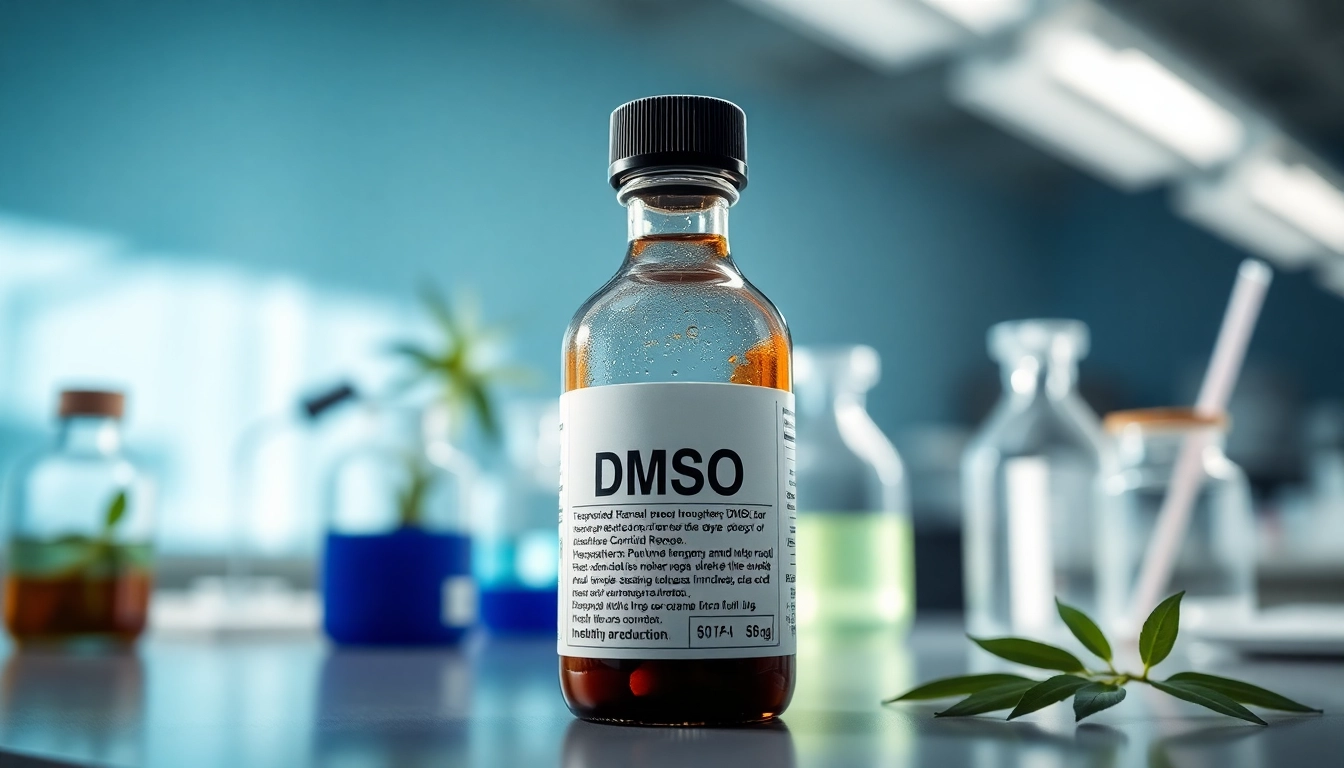
What is DMSO Supplement?
1. Definition and Properties
Dimethyl sulfoxide, commonly referred to as DMSO, is a chemical compound characterized by its unique properties and extensive applications in various fields, particularly in medicine and alternative therapies. It is a colorless and odorless liquid, typically derived as a by-product of wood processing. This remarkably versatile compound is well-known for its exceptional ability to dissolve both polar and non-polar compounds, making it an invaluable solvent. In addition to its solvent properties, DMSO exhibits potent anti-inflammatory and analgesic effects, allowing it to penetrate biological membranes and promote transdermal drug delivery. Its use as a dmso supplement is gaining traction, particularly among individuals seeking alternative pain relief solutions.
2. Historical Context and Uses
The history of DMSO dates back to the 19th century when it was first synthesized from lignin, but its medicinal properties were not recognized until the 1960s. Initially studied for potential medical applications, DMSO was found to possess noteworthy analgesic and anti-inflammatory characteristics. Medical trials and research began to explore its ability to alleviate pain, reduce inflammation, and act as a vehicle for drug delivery. Although initially heralded as a miracle substance, regulatory bodies like the FDA have been cautious about its broader medical use, leading to a complex history involving both scientific inquiry and public interest.
3. Common Forms of DMSO Supplement
As a supplement, DMSO exists in several forms, including liquid solutions and gels. The most frequently encountered concentration is 70% to 99% pure DMSO, which is often used medicinally. Liquid DMSO is typically packaged in amber glass bottles to protect its integrity from light. Gel formulations are also popular, particularly for topical applications, as they provide a convenient method for application without the risk of rapid evaporation. Each form of DMSO enables users to choose an appropriate concentration and delivery method that best suits their needs. Understanding these forms is essential for safe and effective use.
Health Benefits of DMSO Supplement
1. Pain Relief and Anti-Inflammatory Effects
DMSO has garnered attention for its potential to relieve pain and inflammation. Clinical studies have suggested that it may be effective for conditions such as osteoarthritis, musculoskeletal injuries, and inflammation-related disorders. The mechanism behind its pain-relieving properties is largely attributed to its ability to inhibit the transmission of pain signals and reduce the levels of inflammatory markers in the body. Consequently, individuals suffering from chronic pain conditions may find significant benefit from incorporating DMSO into their pain management protocols.
2. Potential Uses in Alternative Therapies
Beyond its application for pain relief, DMSO is being explored in various alternative therapies. Some practitioners advocate its use in conjunction with other treatments for enhancing the delivery of medicinals through the skin. Research continues into its potential role as an adjunctive therapy in cancer treatment, musculoskeletal disorders, and even as a protective agent against tissue damage post-injury or surgery. DMSO's properties as a penetrative agent make it a promising candidate for enhancing the efficacy of other therapeutic modalities.
3. Studies Supporting DMSO Supplement Benefits
Several scientific studies have investigated the efficacy of DMSO in reducing pain and inflammation. For example, a study published in a peer-reviewed journal highlighted its effectiveness in decreasing pain levels in patients suffering from arthritis when applied topically. Further examinations have documented DMSO's anti-inflammatory properties, underscoring its potential as a key component in treating various inflammatory conditions. These studies lend credibility to the ongoing discussions surrounding DMSO and its role in modern medicine.
Usage Guidelines for DMSO Supplement
1. Recommended Dosage
Determining the proper dosage for DMSO can vary significantly depending on the intended use and individual response. While some clinical settings may provide specific dosages based on medical protocol, general guidance suggests starting with lower concentrations and gradually increasing as tolerated. It is critical to follow dosing instructions from qualified health providers, as individual reactions to DMSO can vary widely. Standard practices often recommend starting with a topical application of 70% DMSO at a few drops to the affected area.
2. Application Methods
DMSO can be applied topically or used in conjunction with other medications. For topical applications, users should clean the skin thoroughly to prevent contamination, then apply a small amount to the target area, massaging gently. It is essential to use only pharmaceutical-grade DMSO to mitigate the risk of skin irritation or adverse reactions. Users should consider using gloves during application to avoid unnecessary skin exposure, especially due to DMSO's potent absorption properties.
3. Safety and Precautions
When using DMSO as a supplement, safety should be of utmost concern. Engaging in thorough consultations with healthcare professionals before beginning any new treatment is highly recommended. Potential users should be aware of the possibility of skin irritation and allergic reactions, as well as the risk involved in applying DMSO near sensitive areas. Additionally, DMSO can carry impurities from the skin into the bloodstream, necessitating careful attention to hygiene during application.
Potential Side Effects of DMSO Supplement
1. Common Adverse Reactions
While many individuals report significant benefits from using DMSO, there are potential side effects that must be acknowledged. Common adverse reactions include skin irritation, a garlic-like taste and smell, and possible allergic reactions. Users should remain vigilant in monitoring their responses to the supplement, with any enduring reactions warranting immediate consultation with a healthcare provider.
2. Long-term Use Concerns
Concerns over the long-term use of DMSO focus on the possibility of liver damage and other systemic effects. Research is ongoing regarding the long-term safety profile of DMSO. Limited studies suggest that chronic use can lead to potential liver toxicity, especially in cases where individuals exceed the recommended dosages or fail to ensure pharmaceutical-grade purity in their DMSO purchases. Regular medical evaluations may be prudent for those considering prolonged use.
3. Interactions with Other Medications
DMSO’s ability to enhance the absorption of other substances through the skin raises questions about potential interactions with other medications. Users should be cautious and consult their healthcare provider regarding current medications when considering DMSO to avoid adverse reactions or alterations in how other drugs are metabolized. It is prudent to establish a clear communication channel with healthcare providers regarding all supplements and medications taken concurrently.
Frequently Asked Questions about DMSO Supplement
1. What is DMSO supplement used for?
DMSO is primarily used for its anti-inflammatory and analgesic properties, particularly in treating conditions like arthritis and musculoskeletal pain.
2. Can DMSO affect liver health?
Potential liver toxicity has been observed with excessive use of DMSO, necessitating careful monitoring and professional guidance.
3. How does DMSO work in the body?
DMSO works by reducing pain signals and inhibiting inflammation, along with enhancing drug delivery through the skin due to its solvent properties.
4. Is DMSO safe for pets?
While some veterinary practices use DMSO, consultation with a veterinarian is essential to ensure it’s suitable for specific pets and conditions.
5. Can I use DMSO topically?
Yes, DMSO can be applied topically, but it is crucial to ensure proper cleanliness and use pharmaceutical-grade DMSO to avoid potential skin reactions.