Understanding the Importance of Roof Cleaning
Maintaining the health of your home extends far beyond regular interior cleaning or landscaping. One of the most critical aspects often overlooked is Roof Cleaning. This process not only ensures the longevity of your roof but also enhances the overall aesthetics of your property, leading to improved curb appeal and potentially higher property value. Let's delve into why maintaining your roof through regular cleaning is essential for any homeowner.
Why Roof Cleaning is Essential for Home Maintenance
Roof cleaning plays a vital role in home maintenance for several reasons. First and foremost, a clean roof prevents the growth of harmful mold, mildew, and algae that can compromise the integrity of roofing materials. If left untreated, these organisms can lead to rot and structural instability. Moreover, maintaining a clean roof helps ensure proper drainage by preventing the buildup of debris that can clog gutters and downspouts, leading to water damage within the home.
The Impact of Dirty Roofs on Home Aesthetics
Visual appeal significantly influences a home’s value. A dirty or stained roof can detract from the overall appearance of a property, giving it an old or neglected look. This can be especially concerning if you are planning to sell your home. First impressions are crucial, and potential buyers often base their decision on curb appeal. Regular roof cleaning can restore the original color and texture of your roofing materials, making your home more inviting.
Benefits of Regular Roof Cleaning
Regular cleaning of your roof provides numerous benefits beyond mere aesthetics. These benefits include:
- Extended Roof Lifespan: Removing contaminants enhances the longevity of roofing materials.
- Improved Energy Efficiency: A clean roof can improve energy efficiency by allowing better temperature regulation in the attic space.
- Lower Repair Costs: Proactive cleaning prevents costly repairs from roof damage.
- Increased Property Value: A well-maintained roof positively impacts property evaluations.
Common Roof Contaminants and Their Effects
Moss and Algae: The Silent Destroyers
Moss and algae thrive in damp, shaded areas and can cause significant damage if not addressed. They hold moisture against the roof surface, which can lead to decay in shingles and other roofing materials. Over time, moss can also lift shingles, creating gaps that allow water to penetrate the roof structure, resulting in leaks and ultimately costly repairs.
Environmental Factors Contributing to Roof Damage
Various environmental factors can contribute to roof contamination, including:
- Humidity: High levels of moisture promote the growth of mold and algae.
- Tree Canopies: Overhanging branches can block sunlight, creating a perfect environment for moss growth.
- Debris Accumulation: Leaves and branches can trap moisture on the roof surface.
Understanding these factors is essential to actively manage and mitigate roof cleaning needs.
Understanding the Risks of Neglecting Roof Cleaning
Neglecting roof cleaning can result in a cascade of issues, such as leaks, shortened roof lifespan, and skyrocketing repair costs. Moreover, the presence of contaminants can lead to negative health implications inside the home due to increased indoor mold levels. Regularly scheduled cleaning service reduces these risks significantly.
Effective Roof Cleaning Methods
Introduction to Soft Washing Techniques
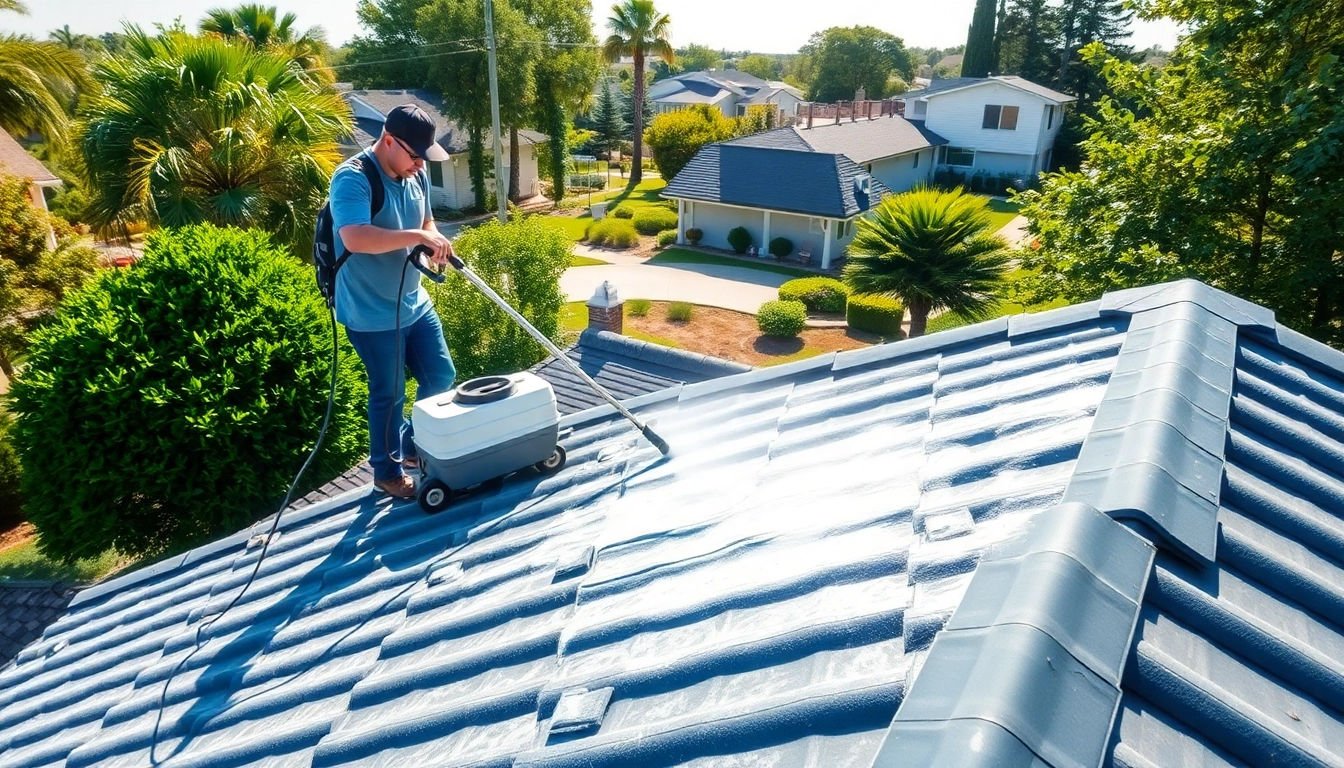
Soft washing is a gentle cleaning method that utilizes low water pressure and specialized biodegradable cleaning solutions to remove dirt, algae, and contaminants without damaging the roofing material. This approach not only protects your roof but also effectively removes unsightly stains. Soft washing is particularly recommended for shingles and delicate roof materials.
Comparing Chemical vs. Pressure Washing
Choosing between chemical cleaning and pressure washing can often depend on the type of contaminants you are dealing with and the roofing material itself:
- Chemical Cleaning: Utilizes cleaning agents to eliminate algae and stains. It's safer for most roofing materials and often preferable for sensitive surfaces.
- Pressure Washing: Uses high-pressure water jets, which are effective for hard surfaces but may damage softer roofing materials like asphalt shingles.
Understanding these techniques will help you make an informed choice on maintaining your roof.
Safety Precautions During Roof Cleaning
When considering roof cleaning, safety should always be a priority. Here are some precautions to take:
- Use safety harnesses when working on steep roofs.
- Ensure ladders are stable and extend above the roof edge.
- Wear protective gear, including gloves and goggles.
- Consider hiring a professional with roof cleaning experience to mitigate risk.
DIY Roof Cleaning: Pros and Cons
Steps for a Successful DIY Roof Cleaning
If you're considering a DIY approach to roof cleaning, follow these essential steps to ensure success:
- Inspect the roof for damage or leaks before starting.
- Gather the necessary equipment, including a ladder, soft brush, and cleaning solution.
- Begin cleaning from the top of the roof, moving downwards to ensure debris and water flows off.
- Rinse thoroughly using a garden hose to remove all cleaning agents.
When to Call in Professionals for Roof Cleaning
While DIY methods can be effective, understanding when to call in the experts is crucial. You should consider professional help if:
- Your roof is steep or complex.
- Safety is a concern due to height or instability.
- You lack the proper equipment or experience to handle roof cleaning tasks.
Common Mistakes to Avoid in DIY Roof Cleaning
As you embark on DIY roof cleaning, be mindful of these common mistakes:
- Using High Pressure: Pressure washing can damage shingles, stripping away protective coating.
- Ignoring Safety: Attempting to clean without proper equipment or precautions can lead to dangerous falls.
- Not Testing Chemicals: Always test cleaning solutions in a small area before full application to prevent damage to roofing materials.
Cost Factors and Scheduling for Roof Cleaning
Average Costs of Roof Cleaning Services
The cost of roof cleaning can vary significantly depending on various factors such as the size of the roof, the extent of the contamination, and the cleaning method used. Generally, prices can range from $0.15 to $0.30 per square foot. Homeowners should obtain multiple quotes to ensure the best value for their service needs.
Optimal Seasons for Roof Cleaning
The best time to schedule roof cleaning is during dry seasons when temperatures are moderate. Late spring to early fall is ideal as these conditions enable efficient drying and cleaning. Avoid scheduling during rainy days, as wet surfaces can lead to slips and accidents.
Preparing Your Home for a Roof Cleaning Service
There are several preparations you can make before a roof cleaning service:
- Clear any outdoor furniture or decorations near the home.
- Inform neighbors about the cleaning, especially if it involves noise.
- Ensure your pets are secured and away from the work area for their safety.
Frequently Asked Questions
1. How often should I clean my roof?
It is typically recommended to clean your roof at least every two years, but if you live in a damp environment prone to algae growth, annual cleanings might be necessary.
2. Can I use bleach to clean my roof?
While bleach is effective at killing mold, it can damage roofing materials and surrounding foliage. It’s advisable to use products specifically designed for roof cleaning.
3. Is roof cleaning worth the cost?
Yes, the longevity of your roof, energy efficiency, and the prevention of costly repairs certainly justify the expense of roof cleaning services.
4. Will roof cleaning remove all stains?
Most cleaning methods can effectively remove algae, mold, and dirt, but some stains, especially old ones, may require multiple treatments to fully eliminate.
5. Can I clean my roof in winter?
It’s not recommended to clean roofs in winter due to potential ice formation and freezing temperatures, which can make surfaces dangerous and ineffective.