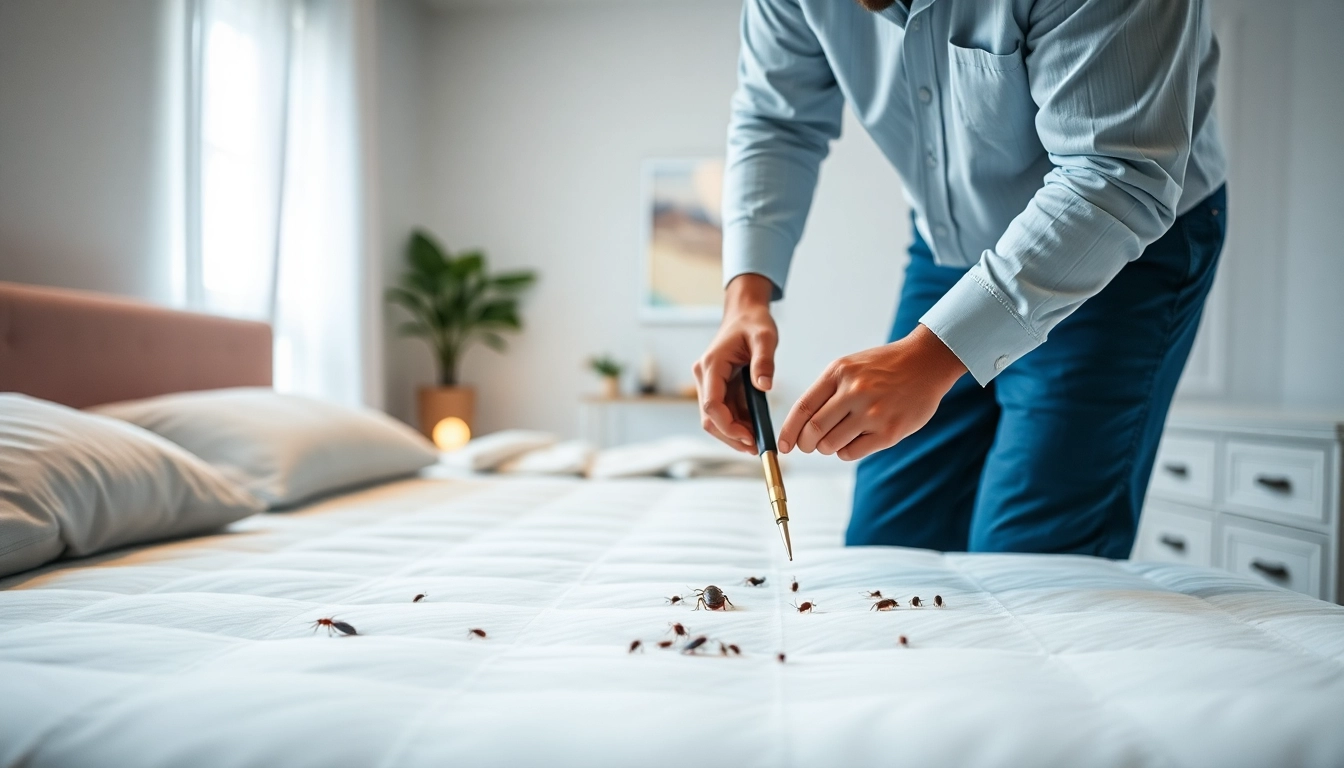
Understanding Bed Bugs: Identification and Behavior
What are Bed Bugs?
Bed bugs are small, wingless insects that feed on the blood of warm-blooded animals, including humans. Scientifically known as Cimex lectularius, they are reddish-brown in color, approximately 4 to 5 mm long, and can be mistaken for other small insects. Bed bugs are nocturnal and primarily come out at night to feed, using their specialized mouthparts to pierce the skin and extract blood. While they do not transmit diseases, their bites can lead to irritation, allergic reactions, and psychological distress due to anxiety and sleeplessness.
Signs of Infestation
Detecting bed bugs early is crucial to effective bed bug removal. Common signs of an infestation include:
- Blood Stains: Tiny red or brown stains on bed sheets or mattresses, caused by crushed bugs.
- Dark Spots: Fecal matter that appears as small black dots on bedding or surrounding furniture.
- Eggs and Shells: Small, white eggs and shed skin that are commonly found near hiding places.
- Musty Odor: A sweet, musty smell that comes from the bugs' pheromones, indicating a significant infestation.
Behavioral Patterns of Bed Bugs
Bed bugs exhibit unique behavioral patterns that affect their concealment and feeding habits. They prefer hiding in tight, dark spaces close to their food sources. Common hiding spots include:
- Mattress seams
- Bed frames
- Nightstands
- Carpets and wallpaper seams
Understanding these behaviors enhances the effectiveness of removal strategies and preventive practices.
Effective Methods for Bed Bug Removal
Professional Extermination Services
While DIY methods exist, professional exterminators offer tailored solutions that incorporate multiple strategies for effective bed bug removal. They conduct thorough inspections, utilizing advanced detection techniques including thermal sensors and trained dogs to locate infestations. Once identified, professionals may apply several treatment methods, such as:
- Pesticide Treatments: Chemical solutions designed to target bed bugs and their eggs.
- Heat Treatments: Raising temperatures to levels lethal to bed bugs (over 120°F) throughout the infested area.
- Steam Cleaning: Using steam to eliminate bed bugs on contact.
Do-It-Yourself Techniques
Homeowners may opt for do-it-yourself methods for bed bug removal, especially for minor infestations. Effective techniques include:
- Isolation: Enclosing mattresses and box springs in protective covers to starve and kill any trapped bugs.
- Vacuuming: Regular vacuuming of infested areas, followed by disposing of vacuum bags securely.
- Heat Exposure: Washing linens and clothing in hot water, and drying at high temperatures to kill bed bugs.
Though DIY solutions can be effective, they may not yield complete elimination and require follow-up inspections.
Using Heat Treatment for Bed Bugs
Heat treatment stands out as one of the most effective methods in comprehensive bed bug removal. This method involves raising the temperature in infested rooms to a sustained lethal level that can kill all life stages. Key points include:
- Effective against all life stages—eggs, nymphs, and adults.
- Non-chemical process, making it suitable for homes with chemical sensitivity.
- May require professional equipment for best results.
Preventing Future Infestations
Best Practices for Homes
Preventing bed bug infestations requires vigilance and proactive measures. Key strategies include:
- Regular Inspections: Frequently check bedding, furniture seams, and luggage after travels.
- Decluttering: Reducing clutter makes it difficult for bed bugs to hide and breed.
- Protective Covers: Using encasements on mattresses and pillows to deter bed bugs from settling.
Travel Tips to Avoid Bed Bugs
Travelers are often at risk of bringing bed bugs home. Important travel precautions include:
- Inspect hotel beds and furniture before settling in.
- Keep luggage elevated and away from beds or carpets.
- Immediately wash and dry travel clothing in hot cycles upon returning.
Regular Inspection Strategies
Developing a habit of regular inspection of homes and belongings is essential for early detection. Use a structured approach to check for signs of bed bugs every few months:
- Look in common hiding spots such as behind headboards.
- Monitor for any sudden increases in bite occurrences.
- Engage professional inspections if signs are suspected.
Financial Considerations in Bed Bug Removal
Cost Factors of Professional Services
The cost of professional bed bug removal can vary widely based on factors such as the size of the infestation, the treatment methods used, and the geographical location. On average:
- Initial inspections may range from $75 to $200.
- Treatments can cost between $300 to $1,500 across multiple visits.
- Heat treatments typically start at $1,500 for a standard two-bedroom apartment.
Understanding these factors helps homeowners budget effectively for treatment.
Budget-Friendly DIY Solutions
For those who suspect a minor infestation, several cost-effective DIY strategies can help manage bed bugs:
- Using diatomaceous earth: A naturally occurring substance that can dehydrate and kill bed bugs on contact.
- Homemade traps: Utilizing sticky tape or containers to catch bugs as they cross.
- Natural repellents: Essential oils like peppermint can aid in repelling bed bugs but should be combined with thorough cleaning.
Value vs. Cost Analysis
While pursuing cost-effective methods can be tempting, weighing the value of eradication effectiveness against potential long-term spending is essential. Inadequately treated infestations can lead to exponentially higher costs over time due to ongoing needs for treatments, repairs, and mental distress caused by the infestation.
Frequently Asked Questions on Bed Bug Removal
What is the best method for bed bug removal?
The best method typically combines professional extermination services with DIY strategies enhanced by ongoing preventative measures to ensure complete eradication.
How long does the bed bug removal process take?
The duration depends on the severity of the infestation, treatment methods used, and the thoroughness of follow-up inspections. It can take several weeks to clear an infestation fully.
Can I treat bed bugs myself?
Yes, minor infestations can be managed with DIY methods such as vacuuming, washing, and using heat. However, significant infestations usually require professional assistance.
Are there any natural remedies for bed bug removal?
Natural remedies like diatomaceous earth and certain essential oils are used, but they are often less effective than professional treatments and should be part of a broader strategy.
How can I prevent bed bugs from returning?
Regular inspections, maintaining cleanliness, protective mattress covers, and taking precautions while traveling can significantly minimize the risk of bed bugs returning.