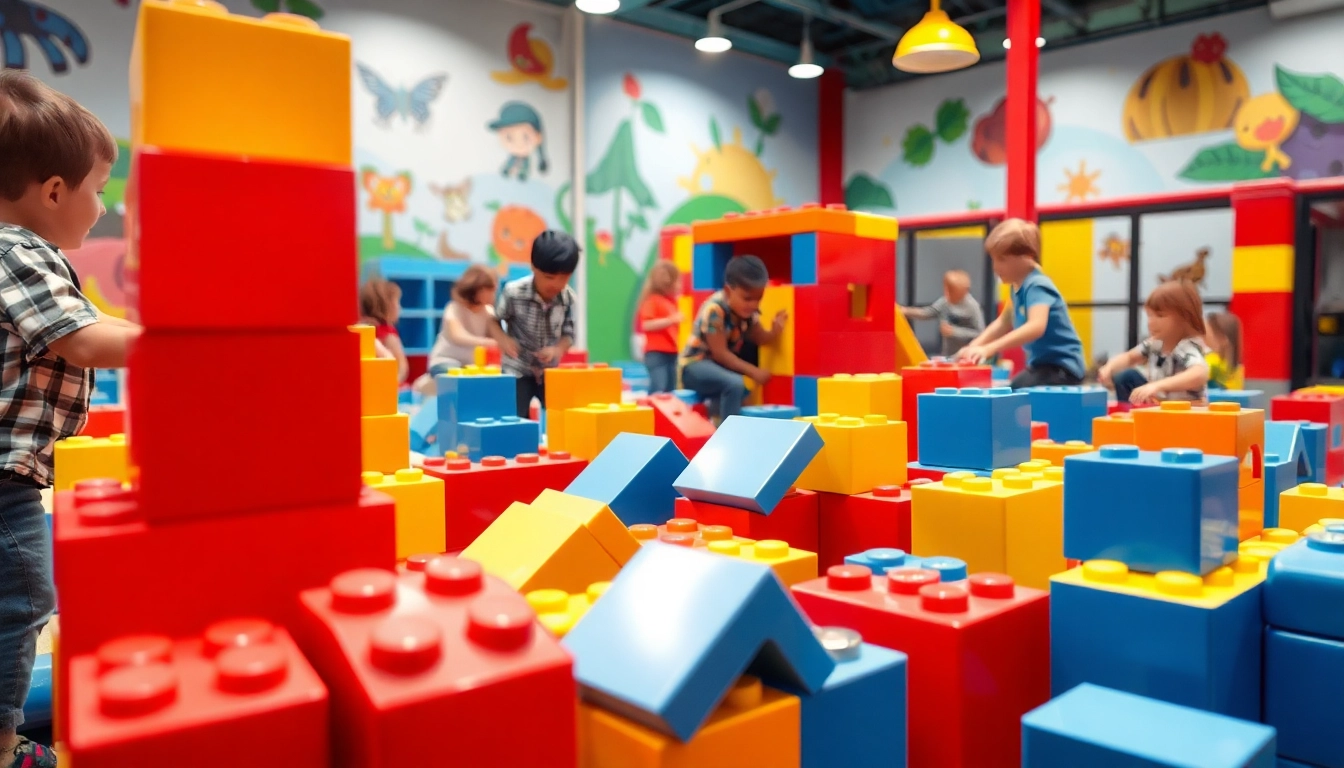
Introduction to Giant Building Blocks
Giant building blocks are more than just oversized toys; they are tools for enhancing creativity, teamwork, and development through play. Characterized by their larger-than-life size, these blocks can be used for countless activities, promoting physical and cognitive growth in children while fostering an element of fun. In this article, we delve into the different facets of giant building blocks, providing additional information on selecting, using, and maintaining these engaging play items.
What are Giant Building Blocks?
Giant building blocks are large, lightweight blocks made from safe materials, designed specifically for children. Unlike conventional building blocks, they come in various shapes, sizes, and colors, encouraging free-form building and creative expression. These blocks can be found in playrooms, schools, community centers, and parks, making them a versatile option for indoor and outdoor play. Their size not only captures children's attention but also allows for high-impact designs that foster collaboration and imaginative play.
Benefits for Indoor Play
The indoor play environment is remarkably enhanced with giant building blocks, offering a multitude of benefits:
- Promotes Creativity: The open-ended nature of giant blocks allows children to construct anything their imaginations can conjure, from castles to vehicles.
- Encourages Collaboration: As children work together to build structures, they learn the importance of teamwork and communication.
- Facilitates Learning: Complex construction challenges can introduce concepts such as balance, gravity, and spatial awareness, all while being enjoyable.
- Reduces Stress: Engaging in play supports emotional well-being, offering a fun method to reduce anxiety and stress in kids.
Choosing the Right Blocks
When selecting giant building blocks, several factors come into play:
- Materials: Opt for blocks made of non-toxic materials that are safe for children. Foam and soft plastic are great options, as they are lightweight and easy to handle.
- Size and Weight: Ensure that the blocks are not too heavy for children to manipulate. The right size promotes independent play.
- Variety: A set with different shapes encourages creativity as children can explore diverse building configurations.
- Durability: Select blocks that can withstand wear and tear, especially useful for active play environments.
Creative Play Ideas
Building Structures Together
Collaborative building activities using giant blocks foster social interactions among children. By defining a common goal—such as constructing a fort or a bridge—children learn to negotiate roles, share ideas, and compromise. Start with simple projects and progressively increase the complexity as children gain confidence, which not only hones their communication skills but also boosts their self-esteem.
Themed Building Challenges
Incorporating themed challenges into play can drive engagement. For example, a "pirate adventure" theme might involve building a ship using blocks while searching for hidden treasure. These themes provide a narrative context that enriches the play experience, keeping children creatively occupied for longer periods. It also encourages critical thinking as they must strategize and innovate solutions in a playful context.
Incorporating Imagination
Allowing children to dictate the narrative behind their creations fosters a profound sense of ownership. Encourage them to come up with stories that involve their structures. Perhaps that block tower represents a fire lookout, or those square stacks are the foundation of a magical kingdom. The possibilities are endless, and this type of imaginative play stimulates psychological growth and strengthens storytelling skills.
Enhancing Skills Through Play
Cognitive Development
Giant building blocks significantly contribute to cognitive development in children. Through problem-solving and critical thinking experiences, they learn notions of engineering and architecture while developing an understanding of physics. Activities like balancing and stacking help nurture spatial reasoning and cognitive flexibility as children experiment with different configurations.
Social Interaction
Playing with giant blocks in groups can greatly enhance a child’s social skills. As they interact with peers, they learn to exhibit empathy, share resources, and recognize the roles of leadership and followership. Playtime revolves around social structures, thus serving as informal training for real-world interaction. Such collaborative efforts promote not only friendships but also open dialogues among kids.
Physical Coordination
The manipulation of large blocks helps develop fine and gross motor skills. Lifting, stacking, and arranging blocks require strength and hand-eye coordination, which improve over time as they engage in repetitive play. Additionally, running around as they play enhances overall physical fitness, and involves large muscle groups promoting healthy growth patterns.
Safety and Maintenance Tips
Choosing Safe Materials
Ensuring safety during play is essential. Select blocks that are free of harmful chemicals and sharp edges. Opt for products that comply with safety standards, and if possible, favor those with smooth finishes that reduce the chances of injury. Regularly checking the integrity of the blocks for cracks or wear is crucial to maintaining a safe play environment.
Cleaning and Maintenance
Regular cleaning of giant blocks is necessary to ensure hygiene. Use mild detergents and warm water for cleaning, and allow them to air dry completely to prevent mold and bacterial growth. Frequent cleaning promotes a healthy play area, especially as blocks are often shared among multiple children.
Safe Play Area Setup
Establishing a designated play area is vital. Use non-slip mats to minimize the risk of slips, and keep the space clear of obstructions to prevent accidents. Setting boundaries can help guide children on where to play, and employing soft boundaries ensures that children have a safe environment to build and explore without risk.
Frequently Asked Questions
What ages are suitable for giant building blocks?
Giant building blocks are typically suitable for children aged 2 and above. Younger children enjoy stacking and knocking them down, while older kids can engage in more complex constructions.
How many blocks are needed for a fun experience?
The number of blocks needed can vary. A minimum of 20-30 blocks is ideal for small projects, while larger activities may require 50 or more for collaborative play.
Can giant blocks be used outdoors?
Yes, giant blocks can be used outdoors, but make sure they are made from weather-resistant materials. This provides a great opportunity for children to play in a natural setting.
What materials are safe for children?
Safe materials include non-toxic plastics, foam, and wood specially treated to prevent splinters. Always check for safety certifications when purchasing.
What are the best ways to clean the blocks?
Use mild soap and warm water to clean giant building blocks, followed by thorough rinsing. Allow them to dry completely to maintain their condition.