Understanding the Importance of Packaging for Emerging Brands
In today's competitive market, packaging for emerging brands serves not just as a protective barrier for products but as a canvas for branding expression and consumer connection. Brands that aim to grow need to harness the potential of their packaging effectively to stand out. The effectiveness of a brand's packaging directly influences customer choices, loyalty, and overall market presence. As such, it becomes imperative for emerging companies to ensure they develop packaging that resonates with their target audience and aligns with their brand identity. Packaging for Emerging Brands is a multifaceted strategy that requires an understanding of various elements that make packaging not just functional, but also a medium of communication.
Defining Packaging for Emerging Brands
Emerging brands are often categorized by their innovative approaches and unique product offerings. Packaging, in this context, plays a dual role - it must protect the product while also acting as a point of differentiation from competitors. Effective packaging communicates the essence of the brand, attracts attention on the shelves, and informs consumers about the product's benefits. It embodies the core values and mission of the company while appealing to the emotional and functional needs of the consumer.
Impact on Consumer Perception
The first encounter a consumer has with a product is often through its packaging, making it a vital touchpoint for brand recognition. Quality packaging can enhance the perceived value of a product, fostering trust and credibility. Inversely, poor packaging can lead to skepticism about the product's quality. Research suggests that consumers are more likely to purchase products that feature appealing and thoughtfully designed packaging. This phenomenon showcases how crucial it is for emerging brands to invest in aesthetically pleasing and informative packaging solutions.
Common Packaging Challenges Faced by New Brands
Emerging brands frequently encounter several packaging-related challenges, including:
- Budget Constraints: Limited financial resources can restrict packaging quality and innovation.
- Supply Chain Issues: Finding suitable packaging suppliers who can deliver quality materials consistently can be a challenge.
- Regulatory Compliance: New brands must ensure their packaging adheres to industry regulations and safety standards, which can vary significantly.
- Brand Visibility: Competing for shelf space in crowded markets can dilute brand identity if packaging does not stand out.
Design Principles for Effective Packaging for Emerging Brands
Creating effective packaging is an art and science, ensuring form meets function while resonating with the target audience. Here are some design principles emerging brands should consider:
Visual Aesthetics and Brand Representation
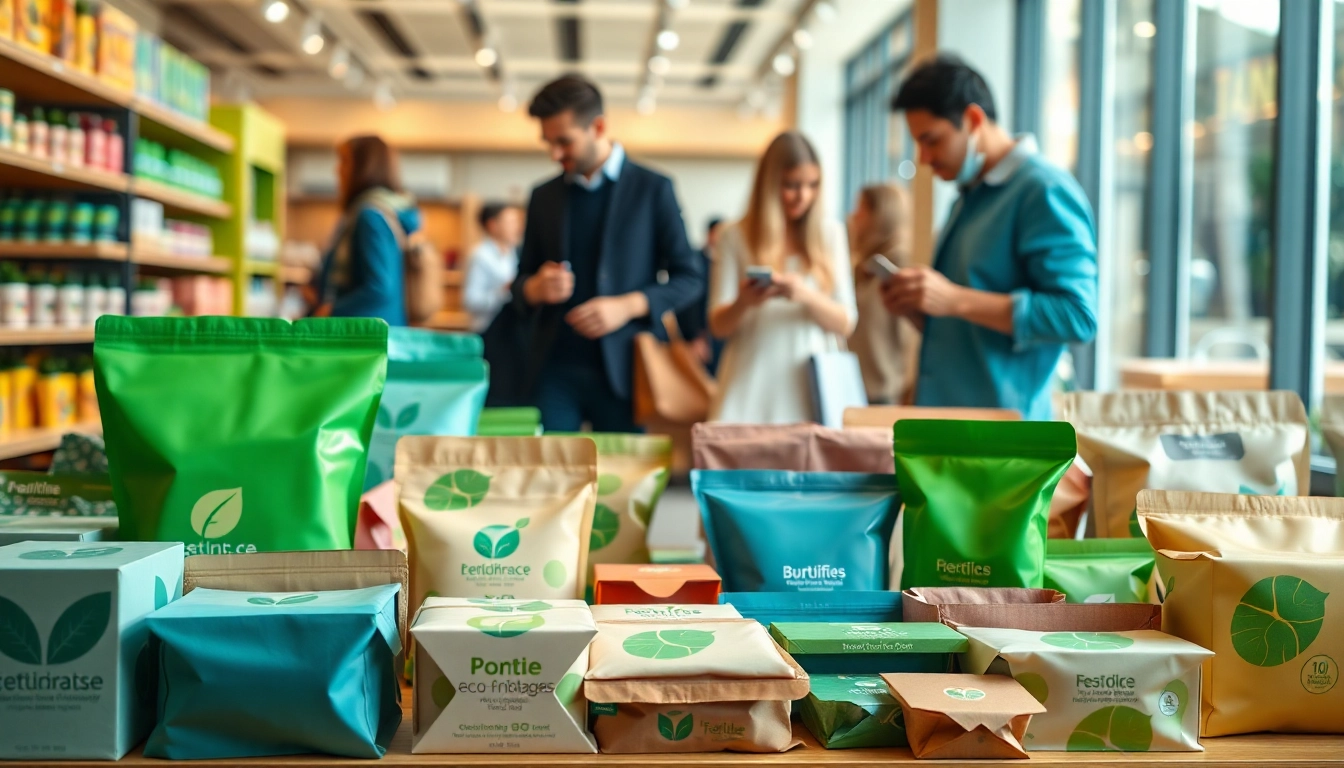
Visual design elements such as color, typography, and imagery play a pivotal role in packaging aesthetics. Effective visual representation can trigger instant recognition and evoke emotions. Design should reflect the brand’s story, values, and target demographics, leading to an authentic connection with consumers. For example, a brand rooted in sustainability might utilize earthy tones and illustrations of nature to convey its commitment.
Functionality Meets Design: Packaging Usability
Packaging must be user-friendly, ensuring a seamless experience for consumers. This includes considerations around how easily products can be accessed, portions controlled, and ultimately, the ease of disposal. Innovative designs that incorporate features like resealable pouches or easy-pour spouts can enhance functionality and customer satisfaction, thereby increasing the likelihood of repeat purchases.
Sustainable Practices in Packaging Design
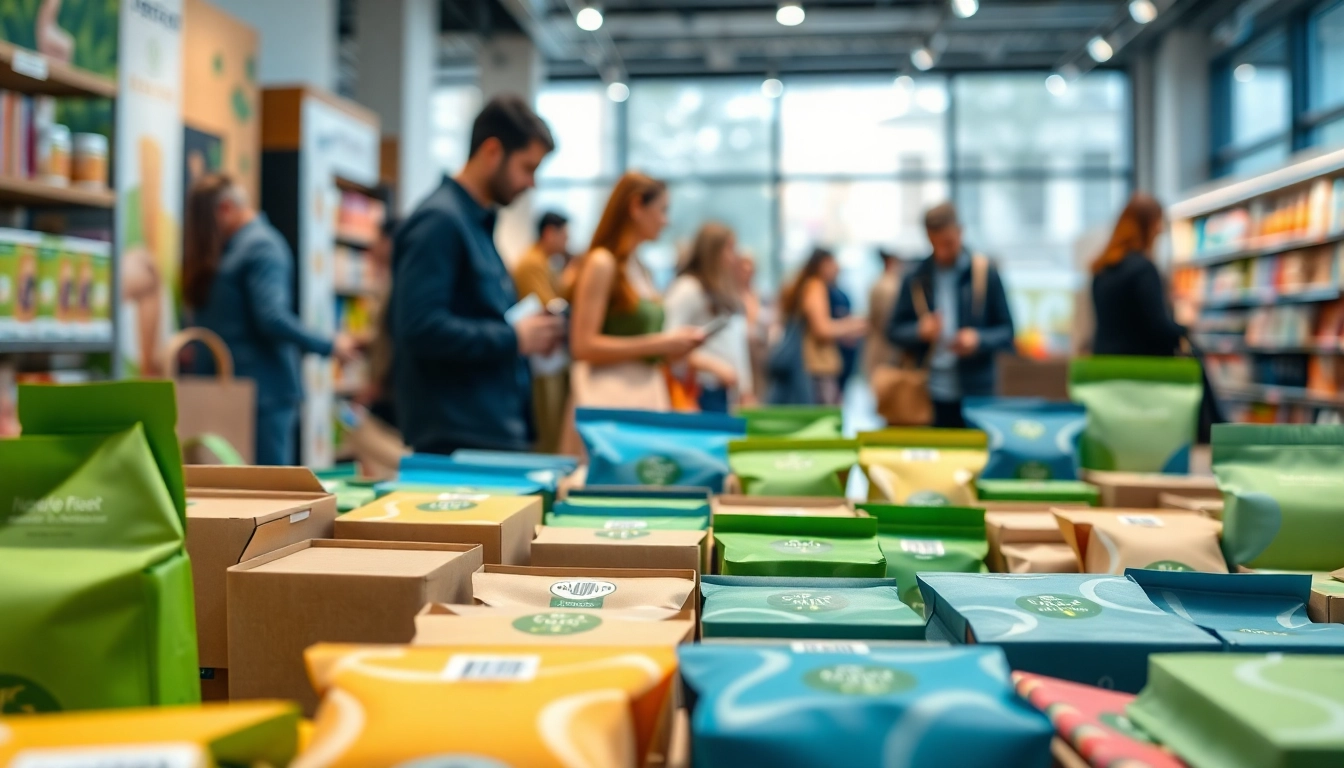
As consumer awareness around environmental issues grows, sustainable packaging has become a necessity for new brands. Utilizing biodegradable materials, minimalistic designs, and efficient product-to-packaging ratios can significantly impact a brand’s market acceptance. Brands that commit to sustainability often find they gain a competitive edge as conscious consumers increasingly prioritize eco-friendly products.
Trends Shaping Packaging for Emerging Brands
Remaining relevant in the fast-paced market involves keeping an eye on current trends that influence consumer behavior. Understanding these trends can guide emerging brands in their packaging strategies.
Current Trends in Sustainable Packaging
The demand for sustainable packaging solutions continues to rise. Trends include using recycled materials, adopting minimalistic designs to reduce waste, and exploring innovative materials like mushroom-based packaging or plant-based plastics. Brands that embrace sustainability can enhance their appeal and align with the values of modern consumers.
Innovative Materials and Technologies
As packaging technologies evolve, emerging brands should consider exploring advancements such as smart packaging, which incorporates technology for interactive experiences. This includes QR codes leading to digital product information, augmented reality features, and temperature-sensitive materials that provide insights about the product's freshness.
Consumer-Centric Design Approaches
The focus on consumer experience is increasingly shaping packaging strategies. This trend involves gathering insights and feedback directly from target audiences to influence design choices. Tailoring packaging to meet the specific desires and needs of consumers—such as convenience, visual appeal, and functionality—can drive brand loyalty and repeat purchases.
Best Practices for Packaging Strategies
To craft exceptional packaging strategies, emerging brands should adhere to the following best practices:
Steps to Create a Unique Brand Experience
Create a brand experience that resonates by focusing on storytelling elements in packaging. Consider using unique narratives, brand histories, and consumer testimonials to enhance the emotional connection. Cohesive branding across all platforms—online and offline—ensures that consumers have an immersive experience. Highlighting this story on the packaging itself can be particularly powerful.
Integrating Packaging into Brand Storytelling
Every element of the package can tell a story. From labels that inspire curiosity to designs that invoke nostalgia, packaging should complement overall brand messaging. Brands should leverage packaging to communicate their mission, values, and the journey behind the product, ensuring that consumers feel connected both intellectually and emotionally.
Measuring the Success of Packaging Strategies
Implementing effective metrics to assess the success of packaging strategies is crucial. Brands should consider analyzing sales data, customer feedback, and market trends to evaluate performance. Utilizing A/B testing can enable brands to iteratively refine packaging designs based on real consumer preferences, ensuring they meet market needs and drive sales.
FAQs on Packaging for Emerging Brands
What are key elements of effective packaging?
Key elements include visual appeal, functionality, sustainability, and brand representation. A good package should engage consumers while delivering necessary product information.
How can packaging enhance brand recognition?
Distinctive design, consistent branding, and emotional storytelling through packaging help develop a memorable identity, leading to increased brand recognition.
Why is sustainability important in packaging?
Sustainability attracts eco-conscious consumers, enhances brand perception, and meets increasing regulatory demands, making it vital for modern brand success.
What trends should emerging brands follow?
Emerging brands should focus on sustainable packaging, consumer-centric design, and innovative materials that enhance both experience and sustainability.
How to measure packaging effectiveness?
Measure effectiveness through sales data, customer feedback, brand recognition metrics, and A/B testing insights to inform ongoing packaging improvements.