
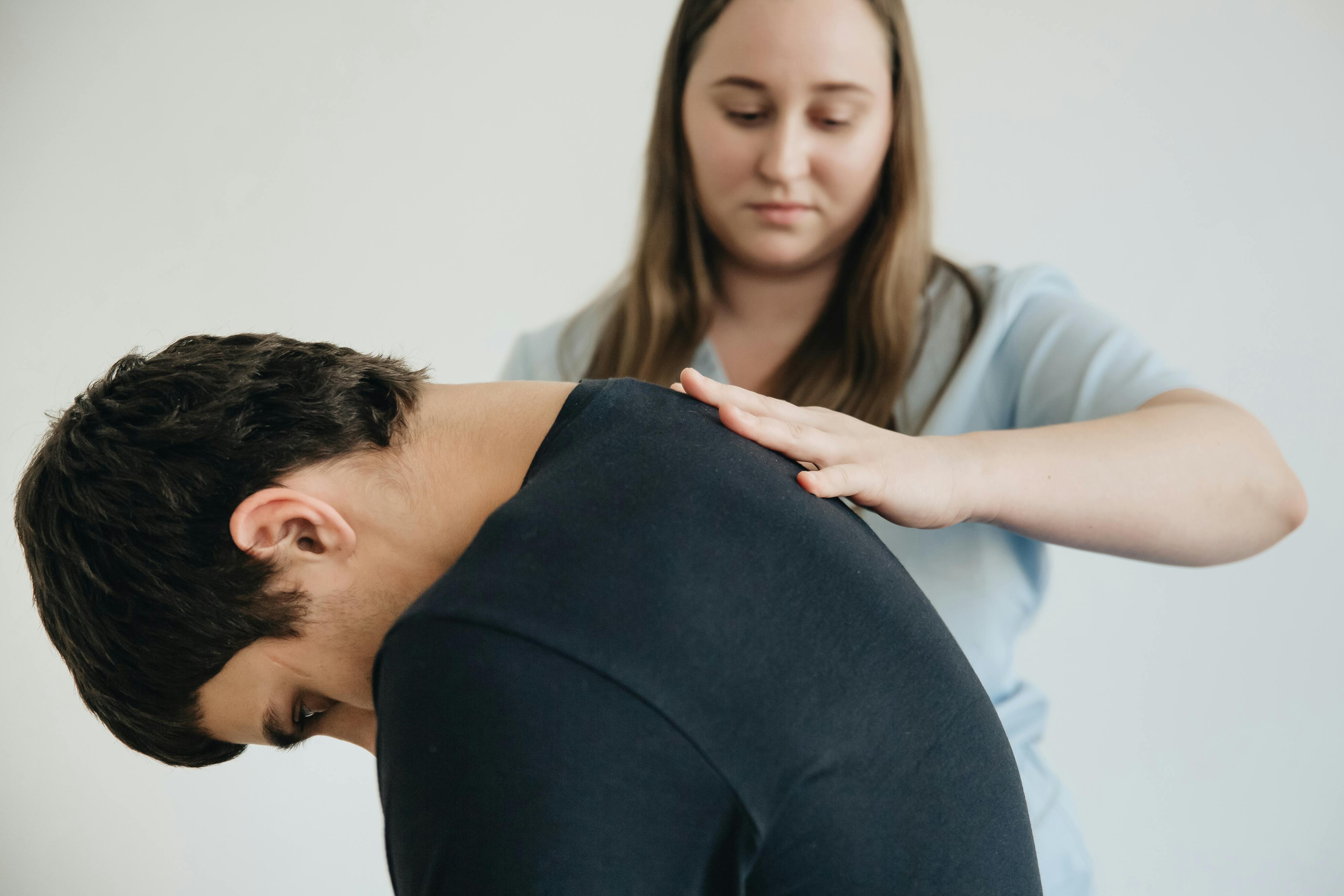
How to improve posture is one of the most important health topics for people who want to reduce back pain, increase confidence, and support long-term physical wellness. How to improve posture naturally can help people feel stronger, healthier, and more comfortable during everyday activities. Many individuals search for How to improve posture because long sitting hours, poor body alignment, and inactive lifestyles often create tension in the back, shoulders, and neck. Learning How to improve posture can help office workers, students, parents, and older adults maintain better spinal health and reduce daily discomfort. How to improve posture is not only about standing straight but also about strengthening muscles, improving flexibility, and building healthy habits. Many people notice reduced stiffness and better movement after practicing techniques that teach How to improve posture correctly. Understanding How to improve posture can also improve breathing, body balance, and energy levels throughout the day. People who focus on How to improve posture often enjoy better mobility, improved confidence, and greater overall wellness. How to improve posture successfully requires consistency, posture awareness, and supportive daily routines that encourage healthier alignment. By practicing simple habits every day, anyone can learn How to improve posture and experience long-lasting comfort and improved quality of life.
Why Good Posture Is Important
Good posture keeps the body balanced and helps reduce unnecessary strain on muscles and joints. Poor posture places pressure on the spine, which can lead to discomfort, fatigue, and long-term pain.
Learning How to improve posture is important because proper alignment allows the body to function naturally and efficiently. Healthy posture supports better movement, balance, and muscle coordination during daily activities.
People who practice How to improve posture regularly often experience less tension in the neck, shoulders, and lower back. Good posture also improves breathing and circulation, which contributes to better physical and mental wellness.
Common Causes of Poor Posture
Understanding the causes of posture problems is the first step in learning How to improve posture successfully.
Long Sitting Hours
Sitting for extended periods weakens muscles and encourages slouching habits.
Phone and Screen Use
Looking down at screens for long periods strains the neck and shoulders.
Weak Core Muscles
Weak abdominal muscles make it harder for the spine to stay aligned.
Lack of Physical Activity
Inactive lifestyles reduce flexibility and muscle strength.
Stress and Muscle Tension
Stress often causes people to tighten their shoulders and lean forward.
Daily Habits That Support Better Posture
Healthy habits are essential for people learning How to improve posture naturally.
Sit with Proper Alignment
Keep the back straight, shoulders relaxed, and feet flat on the floor while sitting.
Stand Tall Throughout the Day
Standing upright helps reduce pressure on the spine and improves body balance.
Take Frequent Movement Breaks
Standing and stretching every hour helps reduce stiffness and improve circulation.
Avoid Slouching
Being aware of body position prevents unhealthy posture habits from developing.
Use Ergonomic Furniture
Supportive chairs and lumbar cushions help maintain healthy spinal alignment.
How to improve posture While Sitting
Many people spend most of the day sitting, which can create pressure on the spine and muscles. Learning How to improve posture while sitting is important for reducing discomfort and maintaining comfort during work or study.
Sit with the shoulders relaxed and the lower back supported. Keep the monitor at eye level to avoid leaning forward. Avoid crossing the legs for long periods because this can affect spinal alignment.
Taking regular breaks from sitting is another important strategy for How to improve posture naturally and successfully.
How to improve posture While Standing
Standing correctly is just as important as sitting correctly. Poor standing habits can create strain in the lower back, hips, and shoulders.
When practicing How to improve posture while standing, keep the shoulders back and the head aligned with the spine. Distribute body weight evenly on both feet and avoid locking the knees.
Supportive shoes can also improve posture and reduce strain on the legs and back.
Exercises That Help Improve Posture
Exercise is one of the best ways to strengthen muscles and support proper alignment. People learning How to improve posture should include movement and stretching in their daily routines.
Stretching Exercises
Stretching improves flexibility and reduces tightness in the shoulders, hips, and lower back.
Core Strengthening
Strong abdominal muscles provide support for the spine and improve balance.
Walking
Walking encourages healthy spinal movement and improves circulation.
Yoga
Yoga improves flexibility, posture awareness, and body balance.
Pilates
Pilates strengthens the core and supports healthier alignment.
The Importance of Core Strength
Core muscles are essential for posture and spinal stability. Weak core muscles force the body to rely on the back and shoulders for support, which can increase discomfort.
People learning How to improve posture should focus on exercises that strengthen the abdomen and lower back. Planks, bridges, and gentle abdominal exercises can improve posture naturally and support long-term spinal health.
A strong core also improves movement efficiency and helps prevent injuries during physical activities.
How to improve posture During Sleep
Sleep posture has a major impact on spinal health. Poor sleeping positions can create tension in the neck and lower back overnight.
To practice How to improve posture while sleeping, use a supportive mattress and pillow. Sleeping on the back or side usually supports healthier spinal alignment than sleeping on the stomach.
Keeping the neck and spine aligned during sleep can reduce morning stiffness and discomfort.
Benefits of Better Posture
Practicing How to improve posture consistently offers many long-term benefits for physical and emotional wellness.
Reduced Back and Neck Pain
Proper alignment decreases strain on muscles and joints.
Improved Confidence
Standing upright creates stronger body language and greater self-confidence.
Better Breathing
Healthy posture allows the lungs to expand more effectively.
Increased Energy Levels
Good posture helps the body move more efficiently and reduces fatigue.
Improved Flexibility and Movement
People often move more comfortably after improving posture habits.
How Stress Affects Posture
Stress can negatively affect posture by causing muscle tension in the shoulders, neck, and upper back. Many people hunch forward during stressful situations without realizing it.
Relaxation techniques such as stretching, meditation, and deep breathing can support efforts to learn How to improve posture naturally. Managing stress also improves sleep and overall physical wellness.
Using Posture Support Devices
Posture support devices can help people maintain healthy alignment during daily activities. These devices gently support the shoulders and upper back, reducing slouching habits and improving posture awareness.
People learning How to improve posture often use posture correctors to build healthier habits over time. These devices are especially useful for office workers and students who sit for long periods.
Creating a Healthy Workspace
A supportive workspace is important for reducing daily strain on the spine and improving posture habits.
Adjust Chair Height Properly
Keep knees at a comfortable angle and feet flat on the floor.
Position the Screen at Eye Level
A properly placed monitor reduces neck strain and forward leaning.
Relax the Shoulders While Typing
Avoid raising the shoulders during computer use.
Use Lumbar Support
Lumbar cushions help maintain the natural curve of the lower back.
Learning How to improve posture at work can improve productivity, focus, and comfort throughout the day.
Healthy Lifestyle Choices for Better Posture
Lifestyle habits play an important role in maintaining spinal health and proper alignment.
Stay Active Every Day
Regular movement strengthens muscles and improves flexibility.
Maintain a Healthy Weight
Excess body weight increases pressure on the spine and joints.
Eat Nutritious Foods
Healthy nutrition supports bones, muscles, and joints.
Stay Hydrated
Hydration supports muscle function and spinal disc health.
Get Enough Sleep
Sleep helps the body recover and maintain physical wellness.
Signs of Poor Posture
Recognizing posture problems early can help prevent long-term discomfort.
Rounded Shoulders
Forward shoulders often indicate slouching habits.
Frequent Back Pain
Persistent discomfort may result from poor alignment.
Neck Stiffness
Poor posture commonly causes tension in the neck area.
Muscle Fatigue
Poor alignment forces muscles to work harder than necessary.
Difficulty Sitting Comfortably
Pain while sitting often suggests inadequate posture support.
Long-Term Benefits of Learning How to improve posture
Practicing How to improve posture consistently can create lasting improvements in health and overall quality of life.
Better posture reduces muscle strain, improves flexibility, and supports healthier movement. Many people feel more energetic and active after correcting posture habits.
Improved posture also lowers the risk of future pain and injuries while supporting stronger muscles and better balance.
Building a Successful Daily Routine
Consistency is one of the most important parts of learning How to improve posture successfully. Healthy habits practiced every day can create major improvements over time.
Start each morning with stretching exercises and maintain posture awareness during work, walking, and relaxation. Avoid sitting for long periods and stay physically active throughout the day.
Small improvements in movement and posture can lead to long-term benefits for spinal health and overall wellness.
Conclusion
Learning How to improve posture successfully is one of the best ways to support spinal health, reduce discomfort, and improve confidence in daily life. Proper posture allows the body to function naturally while reducing strain on muscles and joints.