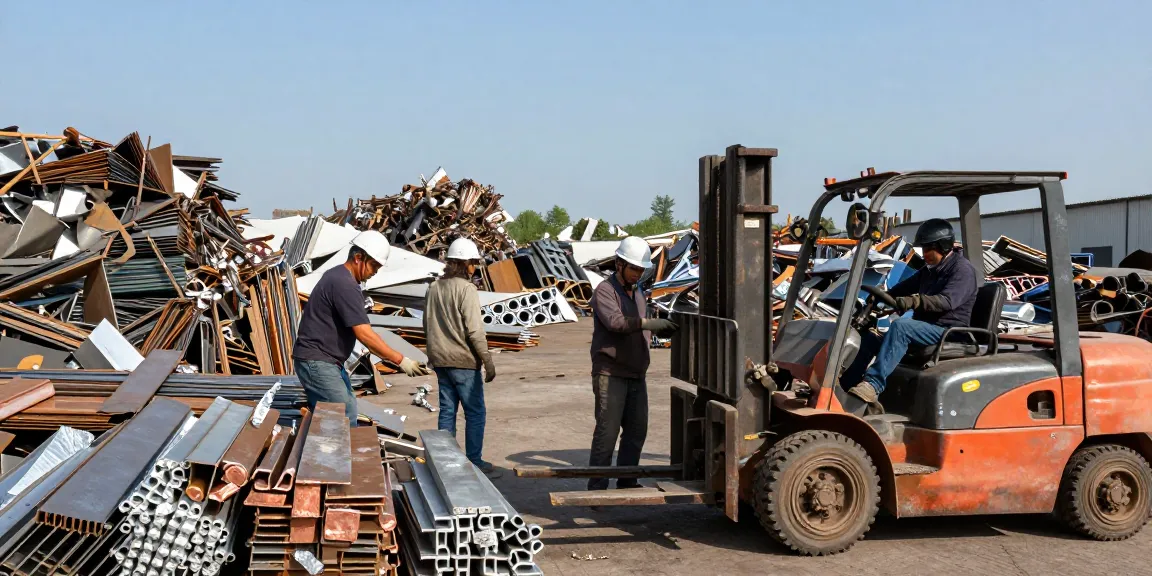
Understanding Construction Safety Training Colorado
Defining the Concept and Importance
Construction safety training is a critical component of the construction industry, particularly in Colorado, where the landscape of work demands a high standard of safety protocols. It involves educating workers about the potential hazards they may encounter on job sites and teaching them the necessary precautions to prevent injuries and accidents. The importance of comprehensive safety training cannot be overstated; it not only safeguards the well-being of workers but also improves overall workplace productivity and fosters a culture of safety.
Legal Requirements for Safety Training
In Colorado, the legal framework surrounding construction safety is primarily governed by the Occupational Safety and Health Administration (OSHA) standards, which require mandatory safety training for all construction workers. Employers are responsible for ensuring their workforce is adequately trained on how to recognize hazards, understand safety procedures, and respond to emergencies. Failure to comply with these regulations can lead to hefty fines and increased liability in the event of an incident. Aligning with local laws not only protects employees but also minimizes legal risks for employers.
Key Benefits of Safety Training Programs
Implementing effective safety training programs yields numerous benefits, including reduced workplace injuries, enhanced employee morale, and lower insurance costs. Additionally, training ensures compliance with regulations, thus avoiding penalties. A well-equipped workforce is more confident, leading to higher job satisfaction and retention. Moreover, regular training initiatives demonstrate an employer’s commitment to health and safety, cultivating trust and respect among employees. For those interested in exploring more, resources on construction safety training colorado can be immensely beneficial for reinforcing these principles.
Types of Construction Safety Training Programs in Colorado
General Awareness and Orientation
General awareness training serves as an introduction to the construction site environment, emphasizing both the importance of safety and the specific protocols that must be followed. This training typically covers topics such as site rules, emergency procedures, and an overview of potential hazards. New workers, as well as those moving to new sites, should participate in this training to foster a strong foundation in workplace safety and awareness.
Hazard Recognition and Prevention Techniques
Hazard recognition training teaches workers how to identify various types of hazards, including physical, chemical, and biological risks that may be present on construction sites. This training includes the use of visual aids, interactive sessions, and hands-on activities that reinforce learning. Prevention techniques, such as proper lifting methods and the use of personal protective equipment (PPE), are critical components that equip employees to mitigate risks effectively. Conducting mock drills and simulations enhances the training experience, empowering employees with real-world scenarios to test their knowledge.
Specialized Training for Equipment and Machinery
Training on the operation of heavy machinery and equipment is crucial in the construction field, as misuse poses significant risks. Specialized courses focus on equipment such as cranes, forklifts, and bulldozers, teaching safe operation procedures and maintenance practices. Participants learn about load limits, proper signaling, and pre-operation checks to prevent accidents. Certification programs are often available, ensuring that operators are fully qualified to handle equipment safely.
Best Practices for Implementing Safety Training
Creating an Effective Training Plan
An effective training plan should be tailored to the specific needs of the workforce and the nature of the work being performed. Involving key stakeholders in the planning process ensures that the training addresses relevant risks and complies with legal requirements. Evaluating the training program regularly through feedback and performance metrics allows for adjustments to keep the training effective and engaging. Setting specific learning objectives will help in guiding the development of the curriculum.
Using Technology and Online Resources
Leveraging technology in safety training can enhance the learning experience and increase accessibility. Online courses and virtual reality simulations offer flexible options that can accommodate varied schedules. These resources also allow for the efficient tracking of training completion and effectiveness through analytics. Moreover, incorporating mobile applications can provide workers with on-the-spot access to safety guidelines and reporting tools, further promoting an informed workforce.
Engaging Employees in Safety Culture
Engaging employees in the safety culture of a construction site is essential for fostering a shared commitment to safety. This can be achieved through regular safety meetings, recognition programs for safe practices, and encouraging open communication about safety concerns. Creating an environment where employees feel valued and empowered to voice their concerns leads to a proactive approach to safety. Moreover, involving workers in the development and refinement of safety protocols can help ensure buy-in and promote responsibility among the team.
Measuring the Effectiveness of Safety Training
Setting Key Performance Indicators (KPIs)
Establishing Key Performance Indicators (KPIs) is vital for assessing the effectiveness of safety training programs. Common KPIs in construction safety may include the number of reported incidents, near-misses, and employee feedback on training sessions. Additionally, tracking participation rates and completion of refresher courses can provide insights into employee engagement and comprehension of safety protocols. Identifying and measuring these indicators helps organizations understand the impact of their training efforts and areas needing improvement.
Evaluating Training Outcomes
Regularly evaluating training outcomes is crucial for determining the long-term effectiveness of safety training initiatives. This may include conducting follow-up surveys, interviews, and even on-site observations to assess whether employees are applying what they have learned. Furthermore, tracking injury and incident rates post-training can demonstrate the tangible benefits of safety education. A thorough analysis allows for identifying trends and making informed decisions about necessary adjustments to training content and delivery.
Continuous Improvement Strategies
Continuous improvement should be a fundamental aspect of any safety training program. Regularly updating training materials based on new regulations, technologies, and lessons learned from incidents enhances relevance and effectiveness. Gathering feedback from participants about training experiences can also guide enhancements. Creating a continuous feedback loop ensures that safety training evolves alongside industry changes, consequently maintaining the highest standards of worker safety.
Frequently Asked Questions about Construction Safety Training Colorado
What is the duration of construction safety training?
The duration of construction safety training can vary from a few hours to several days, depending on the program specifics and participant needs.
Is safety training mandatory in Colorado?
Yes, safety training is required in Colorado to ensure compliance with OSHA regulations and to promote a safer work environment.
Who should attend safety training sessions?
All employees working on construction sites, from project managers to laborers, should attend safety training to ensure comprehensive safety compliance.
How often should safety training be repeated?
Safety training should be repeated annually or whenever new equipment, procedures, or regulations are introduced to ensure ongoing competency.
What are common topics covered in safety training?
Common topics include hazard identification, emergency response, personal protective equipment, and safe operation procedures for machinery.